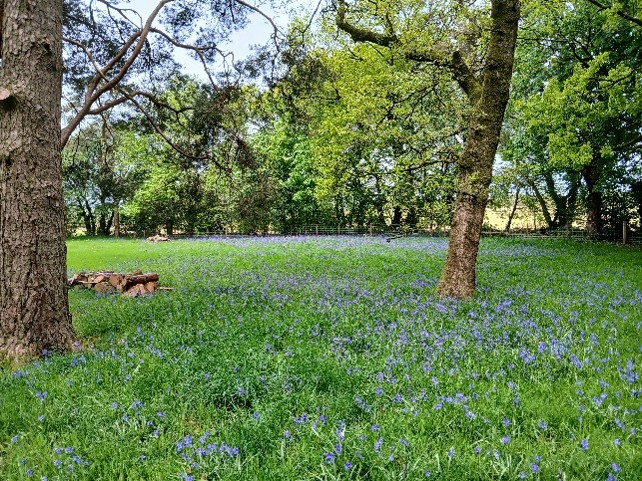
Llan Illtyd Churchyard
St Illtyd’s Church
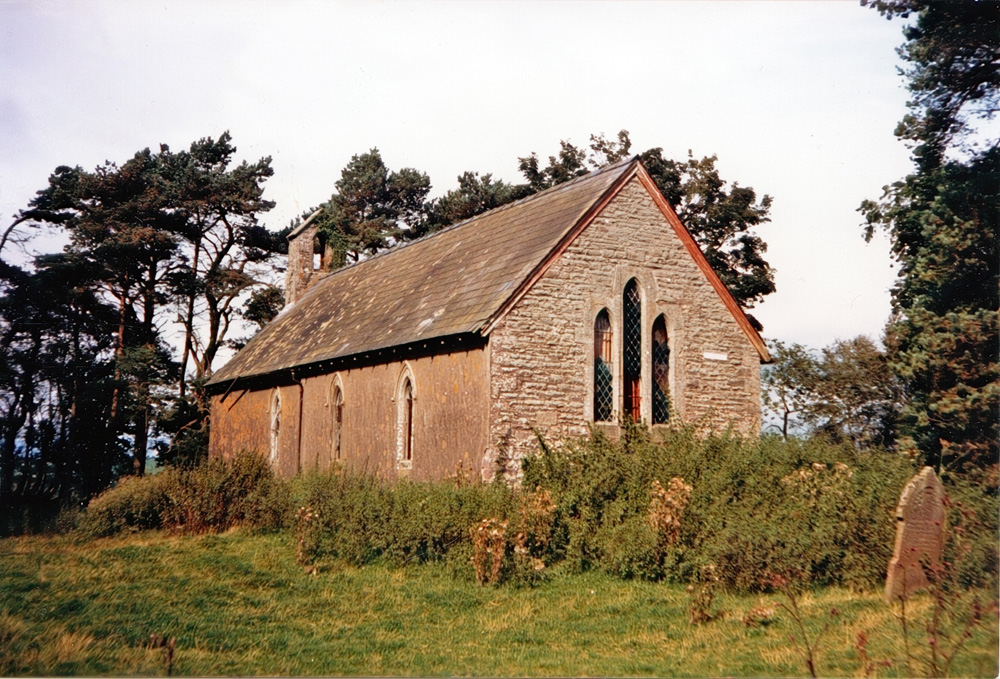
The footprint is all that remains of this small chapel of ease. The first chapel here was mentioned in the 14th century. Dedicated to St Illtyd, it served the dispersed farming community on the Mynydd Illtyd ridge. This churchyard is likely to have been a sacred site since the Iron Age. There is evidence of earthworks outside of the current boundary.
The last building on the site was built in 1858 and regular services were held in it until 1968. It was demolished in 1990 after the building became unsafe.
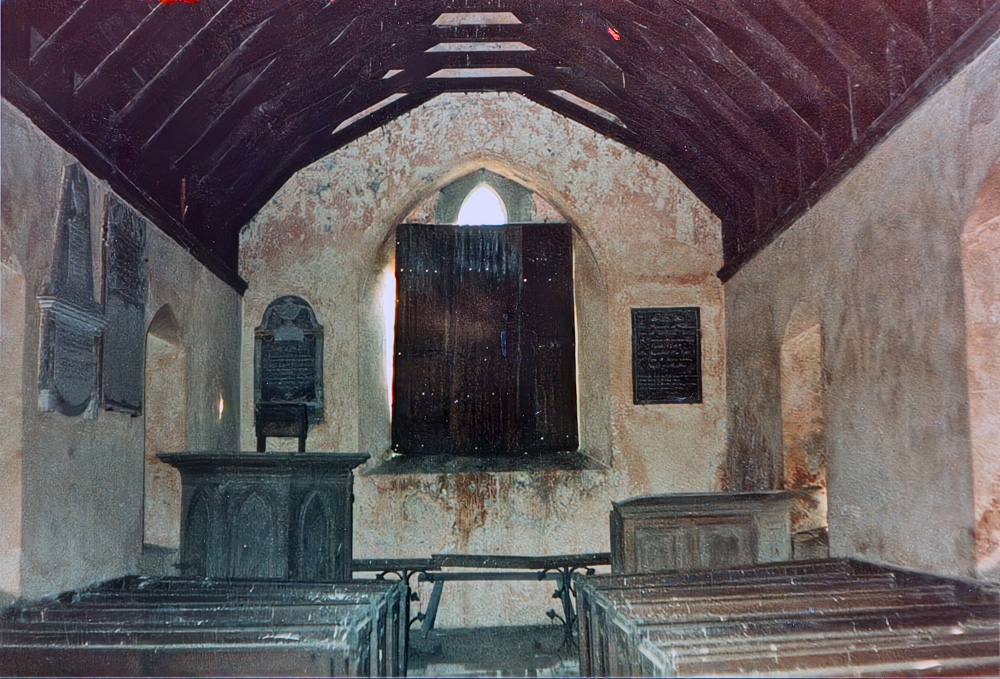
The vicar’s desk and pulpit from this church are now on display at Y Gaer in Brecon.
St Illtyd
St Illtyd lived in the 6th century, but very little is known about his early life. It is thought that he grew up in Brittany and initially pursued a military career. Later Illtyd helped pioneer the monastic way of life in Wales, establishing a theological college at Llantwit Major. Believed to be Britain’s first centre of learning it had thousands of pupils, possibly including St David. Local legend suggests that St Illtyd eventually became a hermit here, on the mountain that bears his name.
Glyn Tarell Community Council have owned the Llan Illtyd Churchyard since 1925. It is managed for people to access the site and for wildlife. Sheep graze the grass down so that visitors can access the church footprint and graves. This also knocks back the dominant grasses to allow wildflowers to grow. The bluebells put on a good display in early May.
However, as the fence was no longer stock proof this was not possible in 2025. There were also a few trees that needed some work for safety reasons. This work was completed in 20206 with the aid of a grant from the Bannau Brycheiniog National Park Authority. In addition, the grant also enabled the purchase of five bird boxes and three bat boxes. An information panel has been designed and will be installed shortly which describes the history of the site and its wildlife.
The churchyard looks much lighter now that the low hanging branches have been lifted and dead trees felled where there were safety concerns. The wood has been stacked into habitat piles which will become homes for small mammals, birds and possibly reptiles and amphibians. Insects will burrow into them, providing food for birds.